

Key messages
• Many complex factors may influence caregivers’ and adolescents’ views and actions about human papillomavirus (HPV) vaccination for adolescents. We divided them into 8 themes relating to individual knowledge and perceptions, family and social relationships, and the wider contexts in which caregivers and adolescents live.
• Healthcare planners and policy-makers could use the themes to help them understand specific contexts in which people are making decisions about HPV vaccination. This may help them design more relevant and effective ways to promote vaccination acceptance and uptake.
What is human papillomavirus (HPV), and why vaccinate against it?
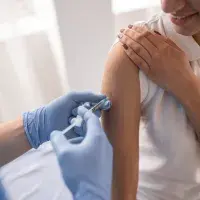
HPV is the leading cause of cervical cancer in women and also causes genital warts and several types of cancers in people of all genders. Vaccinating adolescents (young people aged from 9 to 19 years) is one of the most effective ways to prevent these illnesses.
Why is it important to understand what affects caregivers’ and adolescents’ decisions around HPV vaccination?
To be successful, HPV vaccination programmes depend on high levels of vaccination uptake. However, worldwide, many adolescents do not receive HPV vaccination. There are several reasons for this. Vaccines might be unavailable or adolescents may experience difficulties accessing vaccination services, for instance, because of poor-quality health services, distance from a health facility, or lack of money. Some caregivers and adolescents may not accept HPV vaccination.
What did we want to find out?
We wanted to know what factors influence caregivers’ and adolescents’ views and actions around HPV vaccination. We were interested in factors that may ‘enhance’ or ‘reduce’ acceptance of HPV vaccination.
What did we do?
We searched for studies that explored caregivers’ or adolescents’ views, experiences, and actions related to HPV vaccination for adolescents, in all countries where HPV vaccination is provided. Study participants had to be adolescents or caregivers who were responsible for deciding whether an adolescent should be vaccinated.
What did we find?
We found 206 relevant studies and analysed the results from 71 of them. Studies took place all over the world, and included urban and rural locations, as well as people living in high-, middle-, and low-income countries and communities.
Main results
We found that many complex factors may influence what caregivers and adolescents think about HPV vaccination and what actions they take. We divided these into 8 themes.
1. A lack of medical knowledge
2. Beliefs and ideas about the risks and benefits of HPV vaccination
3. Views or experiences of other vaccines and vaccination programmes
4. The roles adolescents and their primary caregivers play in decision-making
5. The views and actions about HPV vaccination of other family members or other members of their social community, such as peers, traditional or religious leaders, and the media
6. Wider social or cultural beliefs about adolescence, sexuality, gender, parenting and health
7. Trust or mistrust in the institutions or people associated with vaccination, such as teachers and schools, the pharmaceutical industry, the government, and healthcare professionals
8. Access to, and experiences of, HPV vaccination programmes and services, such as how convenient they are, the cost of the vaccine, or barriers related to language.
What are the limitations of the evidence?
Our confidence in the evidence is mainly moderate to high. However, the methods or findings of some studies were not very clear, and some focused on one type of setting or country, so were potentially not relevant for other settings or countries. All the included studies were published in English or French, so we may have missed findings published in other languages.
How up to date is this evidence?
The evidence is up-to-date to February 2023.